
The “Alien Mentor” Trope
Curiosity Becomes Momentum

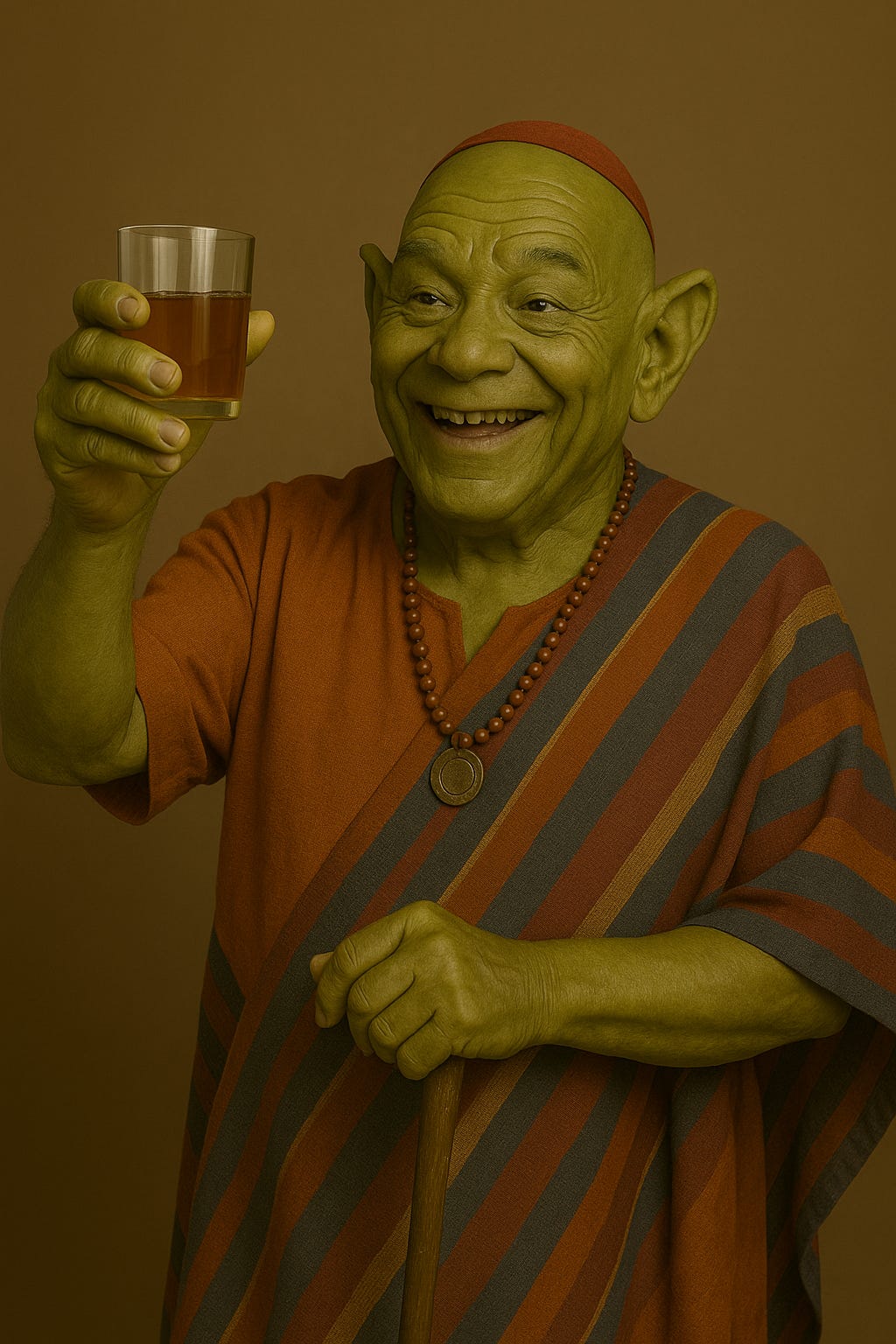
Science fiction loves the wise alien mentor—the serene outsider who guides humanity toward enlightenment. From Stranger in a Strange Land to Arrival, this figure often appears as a stabilizing force, a teacher whose calm perspective broadens the human horizon. The trope works because it introduces wonder and humility: humanity confronted with something older, wiser, gentler.
On Daros, I inverted it.
Alwinno is not ancient, serene, or omniscient. He’s young, earnest, and deeply wounded by a history of prejudice. Humans do not regard him as a font of cosmic wisdom; they barely regard him as safe to eat beside. And yet—because he is not a sage—he becomes something far more interesting: a mirror.
If anything, readers tend to lean closer to a character when he’s not the person the story “should” rely on.
By refusing to let the alien be the voice of perfect moral clarity, the story hands that responsibility back to the human characters, flaws and all. Alwinno’s role becomes a pressure point. His presence reveals what humanity does not want to see about itself, especially in a war zone where empathy is a scarce commodity.
Inverting the trope transforms the alien mentor from a deus-ex-compassion into an emotional destabilizer. He doesn’t show the heroes a better path; he forces them to confront the path they’re on. That shift—away from passive enlightenment toward active, painful self-recognition—creates tension and, eventually, unexpected unity.
The Daros War trilogy uses this inversion to stretch the reader’s expectations just enough that curiosity becomes momentum.